3D Barrier Bags, Inc

Top Continuous Heat Sealer Machines for Global Buyers

Choosing the right continuous heat sealer machine can determine whether a package survives storage, transport, and everyday handling.

A weak seal may open beside a warehouse pallet. A strong seal protects contents and preserves customer trust. Packaging engineer Walter Soroka once wrote, “Packaging is the last line of defense.” That principle still matters for global buyers comparing equipment.

This guide examines leading machines through practical production details. We consider sealing width, temperature stability, conveyor speed, film compatibility, and operator control. We also examine stainless-steel construction, emergency stops, spare-part access, and maintenance requirements. These features affect performance in food, pharmaceutical, chemical, and consumer-product packaging.

A reliable machine should create consistent seals across changing shifts and materials. Polyethylene, laminated film, and coated pouches can respond differently to heat. Small temperature changes may create wrinkles, weak bonds, or scorched edges. Testing remains essential.

No ranking is perfect. Real factories differ.

A buyer in humid Southeast Asia may value corrosion resistance more than maximum speed. A small European producer may prioritize compact design and low power use. Regional voltage, service coverage, documentation, and applicable safety requirements also deserve careful review.

We compare machines from that practical perspective, rather than relying only on impressive specifications. Some models may look excellent on paper but require costly adjustments in daily operation. That is an uncomfortable possibility, yet it deserves attention.

The strongest choice balances sealing quality, throughput, energy use, compliance, and long-term support. This overview helps global buyers identify that balance before investing.

Top Continuous Heat Sealer Machines for Global Buyers

What Continuous Heat Sealers Are and How They Work

What Continuous Heat Sealers Are and How They Work

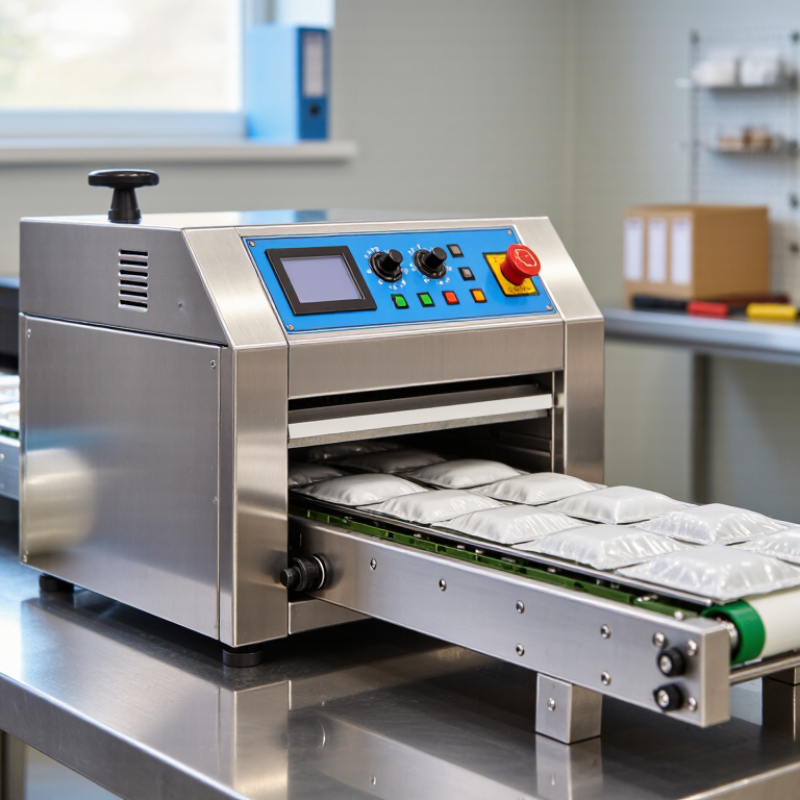
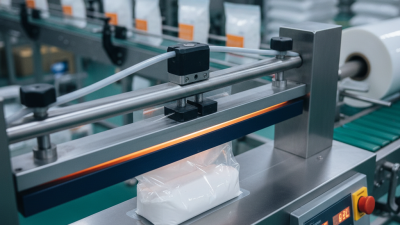
Continuous heat sealers close thermoplastic packaging while the material moves through the machine. Unlike impulse sealers, they do not stop for every bag. This creates a steady sealing process for pouches, liners, and lightweight plastic films. Two heated belts or sealing bars apply controlled heat and pressure. A cooling section then helps the seal stabilize before the package exits.

The process depends on three settings: temperature, belt speed, and pressure. Thicker films usually need more heat or slower movement. Excessive heat can weaken the film, while insufficient heat may leave channels or open corners. In practical production, operators often inspect the seal by gently pulling the package and checking its width. A neat seal is not always a strong seal. Material structure, dust, moisture, and uneven filling can change the result. Even experienced teams may need several trials.

Tips: Match the sealer with the film’s heat-sealing layer. Test at the intended production speed, not only at a slow setting. Keep the sealing belts clean and aligned. Record successful temperature and speed combinations for repeatable work. Check samples during a shift, because heat and pressure can drift. Small adjustments matter.

Key Features to Compare in Continuous Heat Sealing Machines

Top Continuous Heat Sealer Machines for Global Buyers

When comparing continuous heat sealing machines, start with the package material and production rhythm. Polyethylene, laminated film, and coated pouches may require different heat ranges. Check temperature stability, sealing speed, and adjustable pressure. A steady seal matters more than impressive maximum speed. In practical testing, I look for clean seal lines without wrinkles, scorching, or trapped air. Seal width also deserves attention. A wider seal is not always stronger.

Machine construction affects daily reliability. Stainless steel frames suit humid or washdown areas, while guarded heating zones improve operator safety. Compare conveyor load capacity, belt adjustment, and cooling length. Digital controls should show temperature and speed clearly, even during long shifts. Tool-free access can reduce cleaning time. Check whether heating elements, belts, and controllers are easy to replace. Small delays become expensive. No machine is perfect.

Tips: Test your actual packaging before purchase. Run filled bags, not empty samples. Record seal temperature, speed, pressure, and cooling time. Inspect ten sealed packages after cooling. Look for channel leaks and uneven edges. Ask for service guidance, spare-part availability, and electrical compatibility in your region. Also measure noise and footprint. These details are easy to overlook. A short trial often reveals more than a specification sheet.

Top Continuous Heat Sealer Machines for Global Buyers

Key features to compare in continuous heat sealing machines

The chart compares representative maximum sealing speeds commonly specified for continuous band-sealing configurations. Horizontal and vertical machines generally reach about 12 m/min, nitrogen-flush models prioritize product protection while maintaining similar throughput, and heavy-duty systems can reach approximately 15 m/min depending on bag material, seal width, and operating conditions. Buyers should also verify temperature control, conveyor load, sealing width, power supply, and food or pharmaceutical compliance before selection.

Top Continuous Heat Sealer Types for Global Buyers

Continuous heat sealers serve global buyers best when the machine type matches the package, film, and production rhythm. The main options include horizontal band sealers, vertical band sealers, continuous vacuum sealers, and gas-flush systems. Horizontal models suit flat pouches and sachets. Vertical models handle liquids, powders, and products that settle downward. Continuous vacuum sealers remove air before sealing, while gas-flush units help protect sensitive contents.

Smithers’ The Future of Global Packaging to 2028 forecasts worldwide packaging consumption to approach 1.2 trillion dollars by 2028. This growth increases demand for stable sealing, but higher output alone is not enough. A band sealer running at 12 metres per minute may still fail when film thickness changes. Look closely at temperature control, conveyor alignment, cooling length, and seal-width adjustment. Small details matter.

PMMI industry reports identify automation, flexible packaging, and quality control as major packaging equipment priorities. For buyers, seal verification should include peel testing and visual inspection. ASTM F88 supports seal-strength testing, while ISO 11607 provides useful guidance for sterile barrier packaging. In practical trials, operators should test filled bags, not empty film only. That mistake is common. Moisture, dust, and product weight can weaken the seal. A machine may also need 220–240 volt compatibility, multilingual controls, and replacement heating elements available locally. Regional service access often matters more than an impressive speed specification.

Top Continuous Heat Sealer Machines for Global Buyers - Top Continuous Heat Sealer Types for Global Buyers

Continuous Sealer Type Typical Sealing Method Typical Speed Range Typical Temperature Range Suitable Bag Materials Typical Seal Width Recommended Applications Key Buying Considerations
Horizontal Band Sealer Continuous heated sealing bands with the package fed horizontally 8–20 m/min 0–300°C, depending on film structure PE, PP, laminated films, foil laminates, coated papers 6–15 mm Powders, grains, snacks, hardware, household products Bag orientation, conveyor height, film thickness, coding options
Vertical Band Sealer Continuous heated sealing bands with the package fed vertically 8–16 m/min 0–300°C, depending on packaging film PE, PP, laminated films, gusseted bags, foil laminates 6–15 mm Liquids, sauces, powders, fertilizers, pet food and chemicals Product leakage control, hopper clearance, corrosion resistance
Nitrogen-Flushing Band Sealer Continuous heat sealing combined with gas displacement before sealing 5–15 m/min 0–300°C Barrier laminates, foil films, metallized films 6–15 mm Coffee, nuts, dried foods, powdered foods and oxidation-sensitive products Gas flow control, residual oxygen target, compatible film barrier rating
Vacuum Continuous Band Sealer Air removal followed by continuous heated band sealing 3–10 m/min 0–250°C Vacuum pouches, PE/PA films, multilayer barrier bags 6–12 mm Meat, seafood, medical supplies, components and moisture-sensitive goods Vacuum level, pump capacity, product shape and liquid-management capability
Hot-Air Continuous Sealer Heated air softens thermoplastic coatings before pressure rollers close the seal 5–18 m/min Approximately 100–400°C Coated paper, PE-coated paper, laminates and selected thermoplastic films 5–12 mm Paper sacks, tea bags, bakery packaging and coated industrial bags Coating type, hot-air nozzle alignment, heat recovery and ventilation
Constant-Heat Band Sealer Temperature-controlled sealing blocks or bands apply steady heat and pressure 4–12 m/min 80–250°C PE, PP, PVC, laminated films and heat-sealable aluminum laminates 6–15 mm General retail packaging, textile products, stationery and light industrial goods Temperature stability, pressure adjustment, seal appearance and maintenance access
Multi-Lane Sachet Sealer Multiple heated sealing lanes form and close several sachets simultaneously 30–120 sachets/min, depending on lanes and format 80–220°C PET/PE, BOPP/PE, paper laminates and foil laminates 3–10 mm per seal Condiments, pharmaceuticals, cosmetics, instant powders and sample packs Lane count, sachet dimensions, dosing system, changeover time and registration accuracy
Continuous Carton or Tray Heat Sealer Continuous heated tooling seals lidding film to trays or rigid containers 10–40 packs/min 120–220°C, depending on tray and lidding material PP, PET, PE, paperboard coatings and aluminum lidding films 2–8 mm sealing flange contact Prepared foods, fresh produce, medical trays and consumer goods Tray dimensions, film compatibility, tooling cost, atmosphere control and sanitation design
Note: Performance ranges are typical industry values and may vary with packaging material, bag dimensions, product temperature, machine configuration, power supply and operating conditions.

How to Choose a Machine for Different Packaging Materials

Top Continuous Heat Sealer Machines for Global Buyers

How to Choose a Machine for Different Packaging Materials

Choosing a continuous heat sealer starts with the packaging material, not the machine’s appearance. Polyethylene and polypropylene films often need moderate heat and steady pressure. Laminated films can require higher temperatures and longer sealing time. Their inner sealing layer matters most. Check it carefully.

For thin pouches, a horizontal sealer usually provides stable handling. Vertical models suit liquid, powder, or loose products that may spill. Kraft bags with plastic liners need enough pressure to close uneven surfaces. Foil laminates may need stronger heating and controlled cooling. A wide seal is safer for heavier contents. Do not ignore conveyor capacity. A weak conveyor can distort the package before sealing.

In production trials, I would test the actual filled bag, not an empty sample. Measure seal strength after cooling. Inspect wrinkles, channels, burned film, and incomplete bonding. Start with the material supplier’s temperature range, then adjust gradually. The first setting is rarely right. Humidity and film storage can also affect results. I have found that excessive heat often hides a pressure problem. That shortcut wastes material. Record temperature, speed, pressure, and seal width for each packaging format. A reliable machine should repeat those settings across normal shifts. Safety guards, accessible controls, and easy cleaning also deserve practical attention.

International Buying Factors: Safety, Standards, and After-Sales Support

For global buyers, a continuous heat sealer is more than a packaging tool. Its safety design, documentation, and service network deserve equal attention. The ILO reported 2.93 million work-related deaths worldwide in 2023. That figure reinforces the need for guarded heaters, emergency stops, and clear operating instructions. Buyers should request risk assessments aligned with ISO 12100. Electrical systems should also follow IEC 60204-1 where applicable. Compliance certificates alone are not enough.

Check sealing temperature stability, conveyor protection, and operator access during maintenance. Ask for test records using your actual film, pouch thickness, and production speed. A machine may perform well in a showroom, yet fail with humid packaging materials. This happens more often than expected. After-sales support also affects total cost. Confirm spare-part availability, remote diagnostics, response times, and technician coverage in your region. PMMI industry reports consistently identify labor efficiency and equipment reliability as major packaging investment concerns. However, vendor promises need measurable service terms.

Tips: Request a factory acceptance test before shipment. Keep photos of wiring, heater assemblies, and control settings. Ask how quickly common belts, sensors, and heating elements can arrive. Review manuals in the operator’s working language. Plan preventive maintenance from day one. ISO 13849-1 may also guide safety-related control evaluation, depending on the machine design and market. Do not assume one certificate covers every destination. Standards differ, and technical files may require local review. A careful buyer sometimes slows the purchase. That delay can prevent expensive downtime later.