How to Choose the Best Industrial Bag Sealing Machine?
Choosing the right industrial bag sealing machine is not simply a matter of comparing prices or motor ratings. The real decision begins with the bag material, product weight, opening design, and expected production volume. A thin polyethylene bag may require different heat settings from a coated kraft pouch. A powder-filled bag may also need a wider, cleaner seal to prevent leakage. Small details matter.
Walter Soroka, a respected packaging author, describes packaging as “the science, art, and technology of enclosing and protecting products for distribution, storage, sale, and use.” His statement also applies to sealing equipment. A reliable machine must protect the product while supporting consistent, repeatable work. Operators should examine sealing temperature, dwell time, conveyor speed, seal width, cooling performance, and adjustment access. The best machine is not always the fastest one. It is the machine that matches the material and the working environment.
Think beyond the first production trial. Ask how quickly an operator can change settings, clean the sealing jaws, or replace a heating element. Check whether spare parts and technical support are realistically available. Watch the seal after several hours, not only during a short demonstration. That is where weaknesses appear. No selection is perfect. A machine may offer impressive speed but create unstable seals when the film changes slightly. This is why sample testing, documented results, and operator feedback should guide the final choice. The following guide explains how to compare an industrial bag sealing machine with practical, measurable criteria.
Understanding Industrial Bag Sealing Machine Types
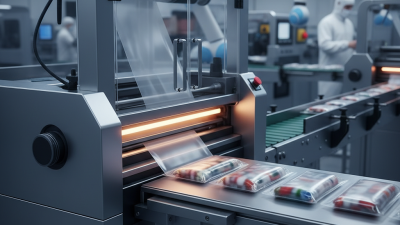
Choosing the best industrial bag sealing machine starts with the bag material, not the machine price. Continuous band sealers suit high-volume lines using polyethylene or laminated films. They create steady seals while operators feed bags on a conveyor. Impulse sealers apply short heat pulses. They work well for smaller batches and heat-sensitive films. Hot-bar sealers provide stronger, wider seals for thicker multilayer bags. Vacuum sealers remove air before sealing, which helps protect moisture-sensitive products.
Smithers’ report, The Future of Flexible Packaging to 2028, estimates the global flexible packaging market will approach US$350 billion by 2028. This growth increases demand for consistent sealing and fewer production stoppages. PMMI’s 2024 State of the Industry report places U.S. packaging machinery shipments above US$10 billion, reflecting continued investment in automation. Still, a faster machine is not always better. Seal temperature, dwell time, pressure, and film thickness must match. ASTM F88 seal-strength testing can verify whether a seal survives handling. ISO 11607 also provides useful guidance for sealed packaging performance.
Tips: Test real bags before purchasing. Record seal width, temperature, speed, and failure points. Ask operators to run the trial. Their feedback is practical. I would also inspect the seal after cooling, not immediately. A seal can look perfect and fail later. Energy use, cleaning access, spare parts, and operator training deserve equal attention. These details are easy to overlook.
How to Choose the Best Industrial Bag Sealing Machine?
Understanding the typical operating speed of each industrial bag sealing machine type helps match equipment with production volume, bag material, and packaging requirements.
The values show representative sealing-speed ranges commonly associated with industrial equipment. Actual performance depends on bag width, film structure, seal temperature, operator handling, product filling, and machine configuration.
Matching Machine Features to Bag Materials and Sizes
How to Choose the Best Industrial Bag Sealing Machine?
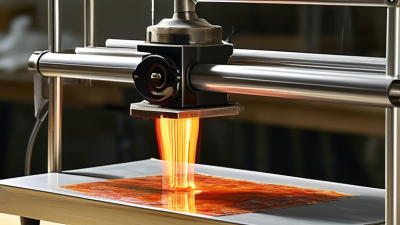
Bag material should guide the sealing system more than price. Thin polyethylene and polypropylene films often need controlled heat and moderate pressure. Laminated films may require higher temperature stability and longer dwell time. Paper bags with inner liners need careful pressure adjustment. Too much heat can wrinkle the film or weaken the seal. That mistake is common in busy production areas.
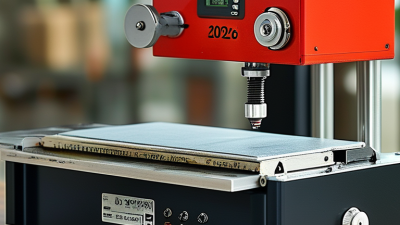
Bag size matters just as much. Small pouches may suit an impulse sealer with a narrow sealing bar. Wide bags, gussets, and heavy contents usually need a continuous band machine or stronger conveyor support. Check the maximum bag width, material thickness, and filling height before choosing. A machine that seals an empty sample may struggle with a dusty, overfilled bag. Real production conditions are less tidy.
Tips: Test several filled bags, not only flat samples. Record temperature, speed, and pressure for each material. Inspect seals after cooling. A clean, even seal should resist gentle pulling without stretching or opening. Leave room for adjustment. Material batches can vary, and the setting that worked yesterday may need correction today. Ask operators to report wrinkles, leaks, and uneven edges; their daily experience often reveals problems early.
Checking Automation, Safety, Maintenance, and Energy Use
Choosing an industrial bag sealing machine starts with the production task, not the fastest advertised cycle.
Automation should match your real workflow. A photoelectric sensor, recipe storage, and automatic film tracking can reduce hand adjustments. Deloitte’s 2024 Smart Manufacturing and Operations Survey reported that 86% of manufacturers expect smart manufacturing to strengthen competitiveness within three years. That does not mean every line needs complex robotics. A reliable sensor and clear fault message may deliver more value.
Safety needs practical inspection.
Look for guarded hot jaws, emergency stops, thermal protection, and safe access during cleaning. ISO 12100 supports risk assessment throughout machine design, while OSHA repeatedly lists machine guarding among major workplace citation categories. Operators should also verify lockout procedures before removing trapped film or clearing a jam.
Small gaps matter. Fingers find them quickly.
Maintenance should be visible and measurable.
Choose machines with accessible heaters, replaceable sealing belts, and diagnostics showing temperature drift. Keep spare thermocouples and sealing elements nearby. Energy use deserves equal attention. The U.S. Department of Energy reports that compressed-air leaks can waste 20% to 30% of compressor output. Pneumatic cutters and clamps should therefore receive leak checks, not blind trust. I would compare standby power, warm-up time, and air consumption under normal production. A faster machine may waste energy during long idle periods.
The cheapest estimate can still be the expensive one.