Why Choose a Continuous Heat Sealer Machine for Your Packaging Needs?
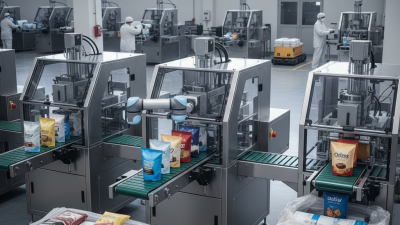
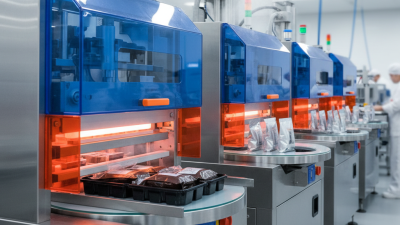
In the world of packaging, efficiency and reliability are paramount. A continuous heat sealer machine plays a crucial role in achieving these goals. This equipment ensures that products remain secure and sealed, minimizing the risk of spoilage or contamination. Imagine a busy packaging line, with products moving steadily and seamlessly. The continuous heat sealer machine stands at the forefront of this operation, expediting the process while maintaining quality.
Many businesses may underestimate the importance of a reliable sealing solution. A poorly sealed package can lead to customer dissatisfaction. It’s essential to consider how a continuous heat sealer machine not only speeds up production but also enhances product integrity. For those in search of streamlined operations, investing in this technology could yield significant long-term benefits.
While it boasts numerous advantages, there can be challenges too. Machines require proper maintenance and skilled operators to function optimally. Sometimes, businesses overlook the need for training, which can lead to inefficiencies. Reflecting on the value of a continuous heat sealer machine may help identify areas for improvement in your packaging process.
Benefits of Using a Continuous Heat Sealer for Packaging
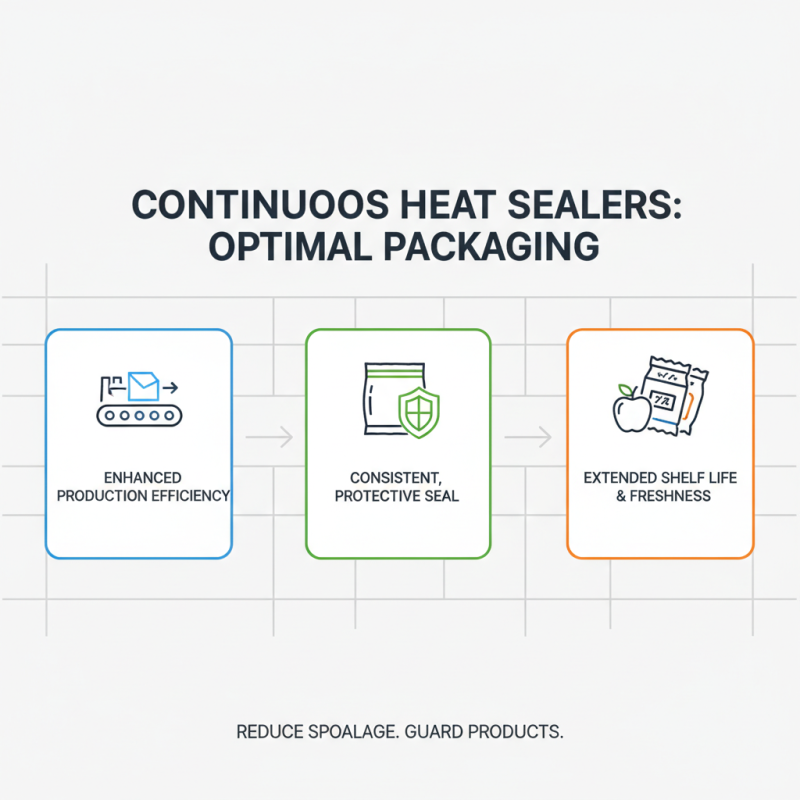
Continuous heat sealers are an excellent choice for packaging needs. They offer numerous benefits that can enhance efficiency in production. These machines provide a consistent seal, reducing the chances of product spoilage. A quality seal protects your items from external elements. This is vital for maintaining freshness and extending shelf life.
Another advantage is speed. Continuous heat sealers work quickly, allowing for high-volume production. This can significantly reduce waiting times in manufacturing processes. However, it is essential to consider the initial investment cost. Sometimes, businesses might not realize the ongoing maintenance costs involved. Regular maintenance is necessary to ensure optimal performance.
The versatility they offer is also noteworthy. Different packaging materials can be sealed effectively. This includes plastic films, pouches, and even some textiles. Nevertheless, not all materials are suited for every machine. Testing different settings may be required to achieve the best results. Understanding these nuances can be effective in maximizing productivity while avoiding common pitfalls in the sealing process.
Understanding the Technology Behind Continuous Heat Sealers
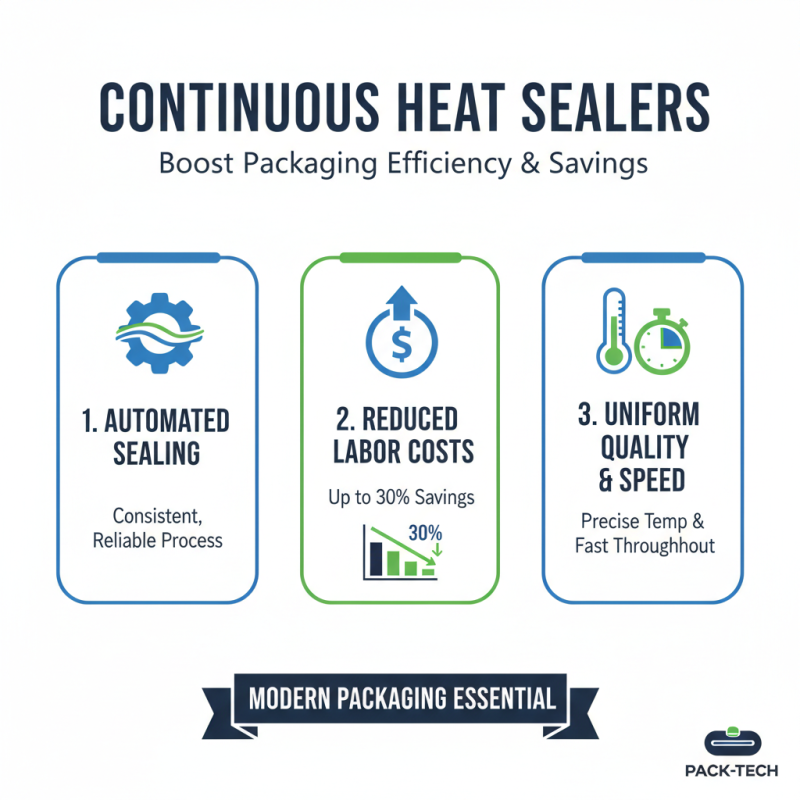
Continuous heat sealers are vital in modern packaging. They provide efficiency in sealing processes, reducing labor costs significantly. According to a recent industry report, companies can achieve up to 30% cost savings by integrating these machines into their operations. This efficiency is due to the consistent sealing temperature and speed that continuous heat sealers offer.
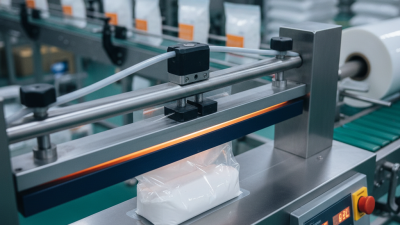
The technology behind continuous heat sealers is fascinating. These machines use a combination of heat and pressure to bond materials. This method ensures an airtight seal, which is crucial for product preservation. Data shows that products sealed with continuous heat sealers have a shelf life increase of up to 50%. However, the technology is not without its challenges. Sometimes, inconsistent pressure or temperature can lead to imperfect seals. This imperfection can affect product quality and lead to waste.
Moreover, continuous heat sealers are adaptable. They can work with various materials, from plastic films to aluminum foils. This versatility is essential for businesses diversifying their product lines. However, it requires careful calibration and adjustment. Without proper maintenance or operator training, performance may decline. This aspect underscores the need for ongoing evaluation in packaging processes.
Applications of Continuous Heat Sealers in Various Industries
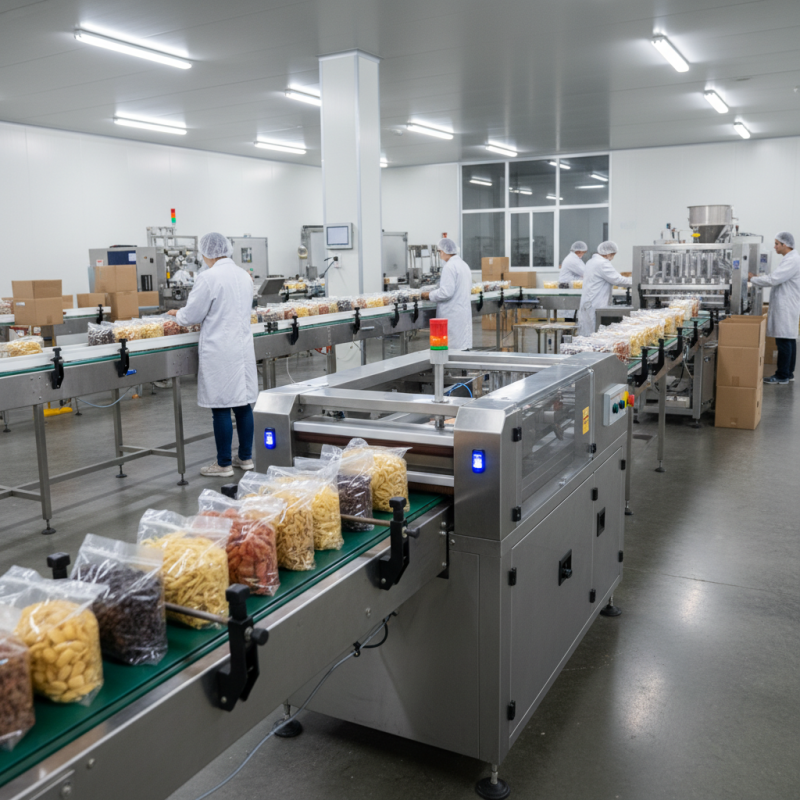
Continuous heat sealers are essential in many industries, from food packaging to pharmaceuticals. Their ability to provide a strong, reliable seal enhances product safety and shelf life. In the food industry, these machines seal packets, preventing spoilage. They are crucial for snacks, frozen meals, and perishable items. Imagine a factory producing thousands of packets daily. A continuous heat sealer keeps the workflow smooth and efficient.
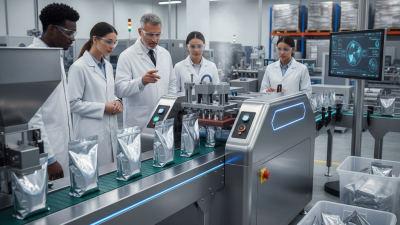
In the pharmaceutical sector, the accuracy of packaging is critical. Continuous heat sealers ensure that medications remain sterile and tamper-proof. This precision helps in maintaining the integrity of products. However, the risk of malfunction or improper sealing can lead to significant problems. Regular maintenance is key to preventing these issues.
**Tip:** Choose the right sealing material for your products. Not all materials work well with every sealer. Testing is important.
Think about the environmental impact as well. Some sealers use plastics that may not be recyclable. This factor should be considered when selecting equipment. Balancing efficiency with ecological responsibility is challenging but necessary.
Applications of Continuous Heat Sealers in Various Industries
Key Features to Consider When Choosing a Continuous Heat Sealer
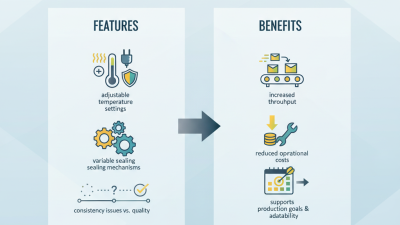
When selecting a continuous heat sealer machine, several key features are crucial. Consider the sealing temperature range. It affects how well materials bond together. Some materials require higher temperatures. Others need lower settings to prevent damage. Understanding these specifications helps in choosing the right model for your packaging.
Another important feature is the sealing speed. A faster machine can enhance productivity. However, excessive speed might compromise seal quality. It's vital to find a balance between efficiency and effectiveness. Adjustable speed settings can help in achieving the desired outcome.
Additionally, look at the machine's durability. Construction materials and design impact longevity. Cheaper models may not withstand heavy usage. Investing in a robust machine may prevent future costs. Easy maintenance is also essential. Regular check-ups are required to ensure optimal performance. Make sure any potential issues can be addressed without too much hassle.
Cost-Effectiveness and Efficiency of Continuous Heat Sealers
When considering packaging needs, continuous heat sealers stand out for their cost-effectiveness and efficiency. These machines are designed to seal packaging materials quickly and reliably, which is essential for businesses looking to increase productivity. With high-speed operation, they minimize downtime. This is critical in a fast-paced production environment, where every second counts.
Using a continuous heat sealer can lead to significant savings. They require less labor compared to manual sealing methods. The reduction in human error can also mean fewer defective packages. However, it's important to understand that initial costs may be higher. Businesses need to assess their output levels to ensure a proper match with the machine’s capabilities. Regular maintenance is equally important; neglecting it may lead to problems that disrupt the sealing cycle.
Efficiency goes beyond speed. The quality of seals is crucial for product integrity. An effective seal prevents leaks and contaminants. Nonetheless, companies must test different materials. Not all films work perfectly with every sealer. This can lead to challenges in achieving optimal results. It's a learning process, continuously adapting to improve output and reduce waste.
Why Choose a Continuous Heat Sealer Machine for Your Packaging Needs? - Cost-Effectiveness and Efficiency of Continuous Heat Sealers
| Feature |
Continuous Heat Sealer |
Standard Heat Sealer |
| Initial Cost |
$2,500 - $5,000 |
$1,500 - $3,000 |
| Production Speed |
40 - 100 packages per minute |
10 - 20 packages per minute |
| Durability |
High durability, suitable for long runs |
Moderate durability, suited for short runs |
| Energy Efficiency |
Optimized energy consumption |
Standard energy consumption |
| Maintenance Requirement |
Lower maintenance frequency |
Higher maintenance frequency |
| Operator Skill Level |
Minimal training required |
Moderate training required |
| Versatility |
Suitable for various packaging types |
Limited to specific packaging types |