How to Choose a Crimp Sealing Machine?
Choosing a crimp sealing machine is not simply a matter of comparing speed, price, or appearance. The correct equipment must match the container, closure, production volume, and quality requirements. A machine that seals aluminum caps beautifully on glass vials may perform poorly on another neck finish. Small differences matter. Cap diameter, material thickness, stopper design, and container stability can change the final seal.
Packaging machinery specialist Mike Stoker once noted, “A reliable seal begins with controlled pressure, not guesswork.” This principle should guide every purchasing decision. Buyers should examine crimping force, sealing-head adjustment, operating consistency, and changeover time. The machine should also offer clear controls and repeatable settings. A practical test is essential. Run representative containers through the equipment, then inspect cap placement, wrinkles, leaks, and visible damage. Laboratory results alone may not reveal production problems.
A dependable crimp sealing machine should support documented quality checks, routine cleaning, accessible replacement parts, and responsive technical service. It should fit the workspace, not obstruct operators or maintenance access. Safety guarding and straightforward emergency controls are equally important. In regulated production, suppliers should explain their documentation and validation support clearly. This is where selection becomes less obvious. The fastest machine is not always the best investment. A slower model may reduce rejects and maintenance interruptions. I have found that buyers sometimes overlook operator training, then blame the equipment later. That mistake deserves honest reflection. The best choice combines engineering evidence, hands-on trials, supplier credibility, and long-term operating practicality.
Define the Product: 13 mm and 20 mm Crimp Vial Formats
Choosing a crimp sealing machine begins with the vial neck finish, not the machine frame.
For 13 mm and 20 mm crimp formats, diameter affects tooling, cap presentation, and sealing force. A 13 mm vial often suits smaller-volume applications, while 20 mm formats provide more closure area. These are useful tendencies, not universal rules. Confirm the vial drawing, stopper dimensions, and cap material before requesting equipment data.
Ask for dedicated 13 mm and 20 mm change parts, or verify whether one system supports both sizes.
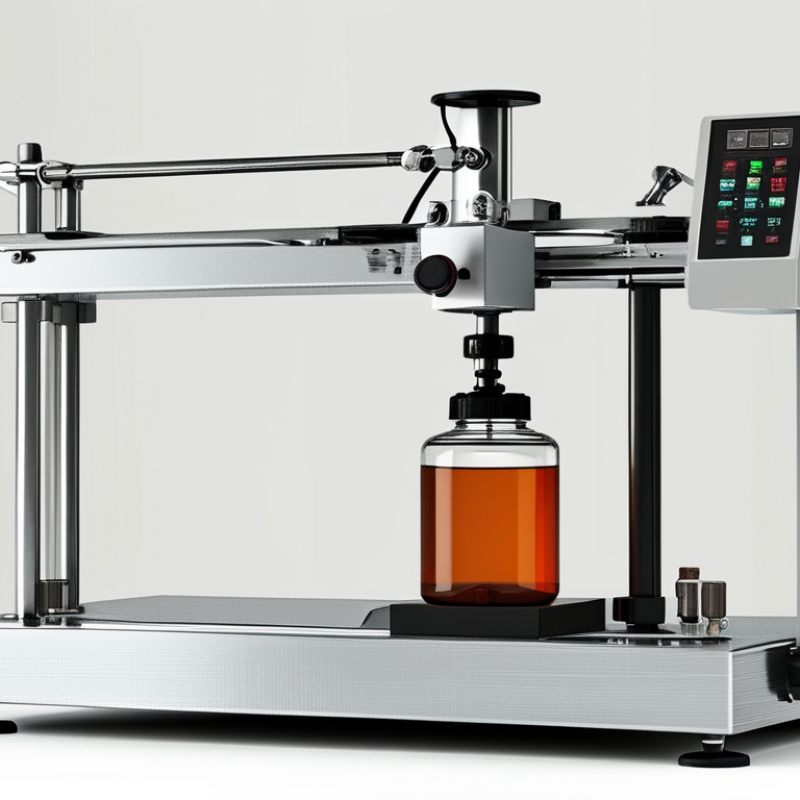
The crimp head must center the cap without scuffing the glass. Check adjustable height, controlled crimp pressure, and repeatable compression. Poor settings can leave loose skirts, tilted caps, or damaged stoppers.
Watch the feed path. Small caps may bridge, while larger caps can enter unevenly if guide rails are too wide. During trials, inspect closure appearance, pull-off force, and container integrity at several line speeds.
In practical evaluations, operators should record each changeover step and tool setting.
Keep it simple. This record supports training, maintenance, and batch review. One overlooked detail is vial stability beneath the crimp head. Tall or lightweight vials may need stronger support.
A machine can seal well at low speed and fail during production. That result deserves investigation, not excuses.
Request testing with both formats, including filled containers when appropriate. Review guarding, cleaning access, sensor behavior, and spare-part availability before approval.
Select Automation, GMP Compliance, and EU Annex 1 Features
How to Choose a Crimp Sealing Machine?
Choose automation around your contamination-control strategy, not only production speed. A suitable machine should feed, position, crimp, inspect, and reject containers with minimal manual handling. Servo-driven systems can improve repeatability, but automation alone does not guarantee sterile performance. Review changeover time, recipe control, alarm history, and cleaning access during factory trials. Small details matter, especially around the sealing head.
GMP evidence must be visible and practical. EU GMP Annex 1 (2022) sets a Grade A limit of 3,520 particles per cubic metre for particles ≥0.5 micrometres, both at rest and during operation. Your equipment should support airflow protection, validated cleaning, and documented environmental monitoring. Stainless-steel contact surfaces, tool-free access, and controlled lubrication can reduce contamination risks. FDA Process Validation Guidance also expects continued process verification, so collect crimp-force, torque, reject-rate, and stoppage data after installation. A machine with electronic batch records and audit trails supports stronger review. It may also expose weak procedures.
For EU Annex 1 applications, examine gloveability, intervention frequency, and line integration. Automatic stopper detection and container-presence checks can prevent damaged seals. However, sensors need challenge testing, not optimistic assumptions. Ask suppliers for qualification protocols covering IQ, OQ, and PQ. Verify seal integrity using a method suitable for your container system. No selection is perfect. Your risk assessment should admit that.
How to Choose a Crimp Sealing Machine?
Selection priorities for automation, GMP compliance, and EU GMP Annex 1 readiness.
The evaluation score reflects the relative importance of each verification area when preparing a user requirements specification. Key checks include repeatable crimping, container-closure integrity, cleanable construction, contamination-control measures, qualification support, and electronic data integrity.