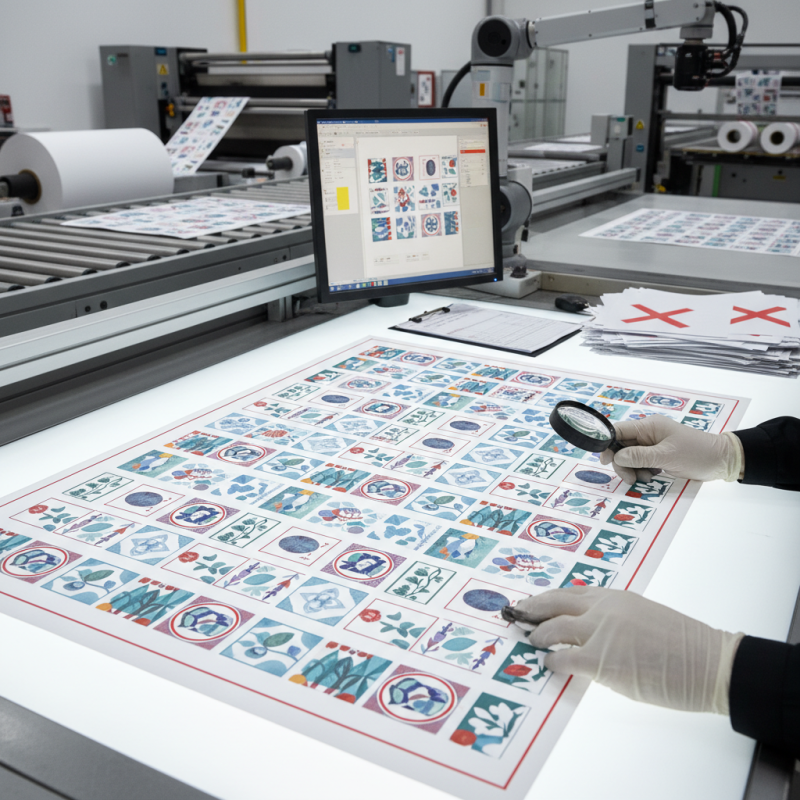
What is Print Inspection and Why is it Important?
Print Inspection is a critical process in the printing industry. It ensures that printed materials meet quality standards. This step helps to identify defects like smudges, color variations, and alignment issues. Any flaw in printing can affect the final product's appeal and functionality.
In a highly competitive market, Print Inspection becomes even more vital. Consumers often judge products based on their visual quality. A single error can lead to unsatisfied customers and damaged brand reputation. Companies need to invest in effective inspection methods to avoid these pitfalls.
However, Print Inspection is not always foolproof. Many businesses rely heavily on automated systems, which can overlook minor issues. Human inspection still plays a key role but can introduce bias. Regular training and awareness about common flaws are essential. Emphasizing these strategies can lead to better quality control in printing.
Definition of Print Inspection and Its Purpose
Print inspection is a critical process in the printing industry. It involves analyzing printed materials for quality, accuracy, and consistency. The purpose of print inspection is to ensure that the final product meets specific standards. This can include checking colors, alignment, and clarity. Without effective print inspection, errors can go unnoticed, leading to costly reprints and dissatisfied customers.
In practice, print inspection often uses both manual and automated methods. Inspectors may closely examine samples, looking for imperfections. Automated systems can track numerous variables, providing faster results. However, these systems may miss subtle flaws that a trained eye could catch. It highlights the importance of human oversight in the process. Quality checks not only prevent errors but also enhance the overall reputation of the printing service.
Challenges arise in maintaining consistency across large batches. Variability in paper quality or ink can affect results. Inspectors must remain vigilant and adaptive to these changes. Regular training and updated practices are essential to address these issues effectively. Print inspection is not just a routine task; it is a vital component that helps maintain standards and fosters trust in the industry.
Print Inspection Quality Metrics
This bar chart illustrates key quality metrics in print inspection, highlighting the importance of ensuring optimal performance in areas such as color accuracy, registration, print density, surface quality, and ink usage. Each metric is crucial for maintaining high standards in printed materials.
Key Components of Print Inspection Processes
Print inspection processes are crucial for maintaining quality in the printing industry. Several key components ensure effectiveness. One major element is image analysis. This technology scans prints for defects. It detects issues such as streaks, smudges, or misalignments. Unfortunately, systems sometimes fail to catch all errors. Human oversight is still necessary.
Another component is color consistency monitoring. This checks that colors match the intended design. Variations can occur due to equipment calibration or ink quality. Regular checks are required, but inconsistencies still arise. Relying solely on automated systems can lead to overlooked discrepancies. Manual verification helps maintain standards.
Finally, documentation and reporting play an essential role. Keeping detailed records of inspections allows for tracking patterns over time. If defects increase, a review of processes is needed. However, documentation can be tedious. Often, teams may overlook this crucial step. Reflecting on how to improve these components is vital for a smoother workflow.
Importance of Print Inspection in Quality Control
Print inspection plays a vital role in quality control. It ensures that printed materials meet the required standards. Without proper inspection, errors can slip through unnoticed. This can lead to wasted materials and unhappy customers. A missed flaw in print quality can tarnish a brand's reputation.
Regular print inspections can catch common issues. These include color mismatches, alignment errors, and smudging. Conducting inspections during different stages of the printing process is crucial. It minimizes the risk of large-scale errors at the end. A simple checklist can help streamline this process.
Tips for effective print inspection include training staff on quality standards. Ensure they understand what to look for during checks. Use reliable equipment for measuring color and alignment. Always encourage open communication about any discrepancies found. Engage in regular reviews of inspection methods. This reflects a commitment to continuous improvement. Quality control is an ongoing journey, not a destination.
Common Techniques and Technologies Used in Print Inspection
Print inspection plays a crucial role in ensuring quality and consistency in printed materials. Various techniques and technologies are employed to achieve effective inspection. One common method is visual inspection. This technique relies on the human eye to detect defects such as color variations or misalignments. However, it can be subjective and prone to error.
Automated systems have been developed to enhance inspection accuracy. Machine vision technology is a significant advancement. These systems use cameras to capture images and algorithms to analyze them. They can quickly identify defects such as missing elements or uneven printing. Yet, they are not foolproof. Environmental factors like lighting can affect performance.
Another technique is spectral analysis. This involves measuring the color and intensity of printed materials. It helps in checking color fidelity, a vital aspect of print quality. However, its complexity can lead to challenges in interpretation. Even with advanced technologies, it’s essential to maintain a human oversight aspect. All methods have limitations and require continual refinement.
Benefits of Implementing Print Inspection in Production
Print inspection plays a vital role in maintaining quality in production. Implementing effective print inspection systems brings numerous benefits. According to recent industry studies, approximately 25% of production errors occur due to printing defects. By detecting these issues early, manufacturers can significantly reduce waste and improve overall efficiency.
One notable benefit is cost reduction. A report from a leading manufacturing group highlighted that companies save up to 15% of their annual costs through effective print inspection. This is largely due to minimizing rework and ensuring consistent product quality. Consistency leads to better customer satisfaction, which is paramount in today’s competitive market.
Moreover, effective print inspection enhances compliance with industry standards. Many sectors, such as pharmaceuticals and food packaging, require strict adherence to regulations. Failing to meet these standards can result in financial penalties or product recalls. An estimated 20% of non-compliance issues stem from improper labeling or defective prints. By investing in print inspection technology, organizations can not only avoid negative impacts but also build trust with their clients and stakeholders.
What is Print Inspection and Why is it Important? - Benefits of Implementing Print Inspection in Production
| Dimension | Description | Benefits |
| Quality Control | Ensures that printed materials meet established quality standards. | Reduces waste and minimizes reprints. |
| Consistency | Maintains uniformity in color and design across printed batches. | Improves customer satisfaction and brand reliability. |
| Operational Efficiency | Streamlines the production workflow by identifying defects early. | Saves time and labor costs associated with handling defects. |
| Compliance | Ensures that printed materials meet regulatory standards. | Avoids legal issues and enhances brand reputation. |
| Cost Savings | Identifies issues before they escalate into larger problems. | Significantly reduces potential costs associated with recalls and reprints. |