| Basic definition |
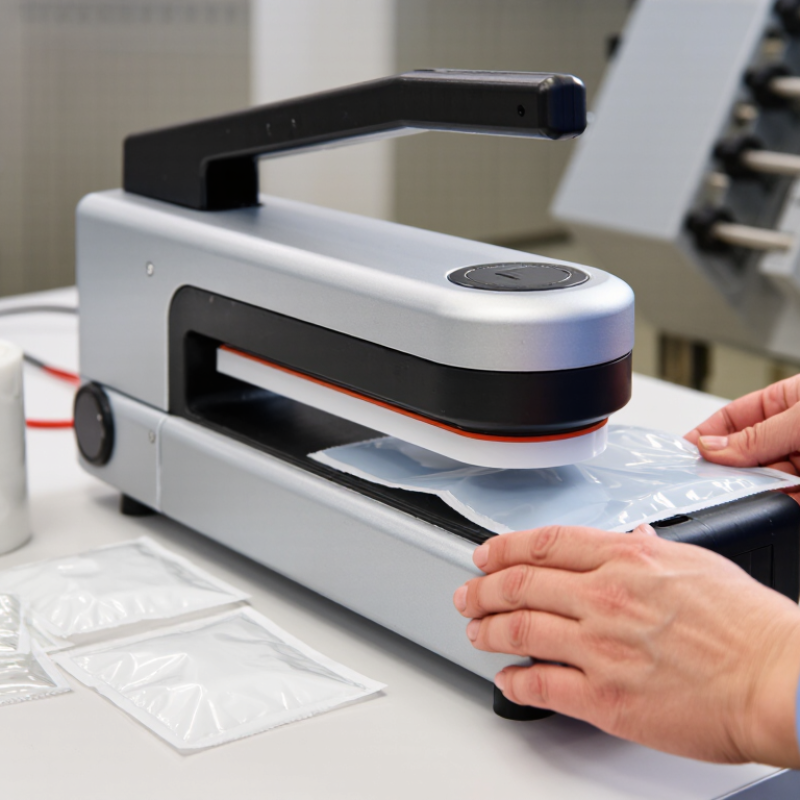
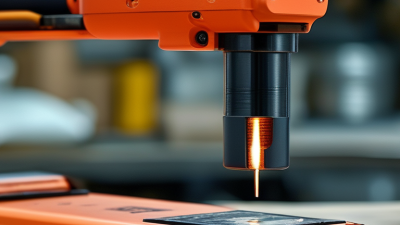
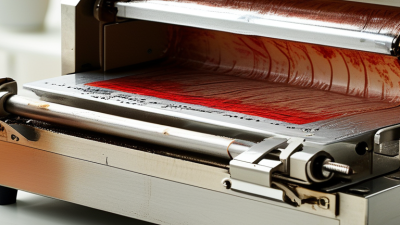
A machine that uses controlled heat and pressure to join thermoplastic film or coated packaging material. |
The heat softens the sealant layer; pressure holds the layers together while the seal cools. |
Creates a closed package without adhesives, staples, or sewing. |
| Common compatible materials |
Thermoplastic films and laminates that contain a heat-sealable layer. |
Polyethylene (PE), polypropylene (PP), PVC, polyamide laminates, and foil or paper laminates with a sealant layer. |
Material compatibility is essential for achieving a strong, continuous seal. |
| Typical sealing temperature |
The temperature applied to the sealing bar or element. |
Often approximately 100–250°C, depending on the film structure, thickness, and sealant layer. |
The correct temperature prevents weak seals, film distortion, and scorching. |
| Seal width |
The width of the welded band produced along the package opening. |
Many general-purpose machines use seal widths of about 2–10 mm; wider seals are available for specific applications. |
A wider seal can improve handling strength but may increase cycle time and energy use. |
| Operating modes |
The way the sealing cycle is started and controlled. |
Impulse sealing heats the element only during the sealing cycle; constant-heat sealing keeps the sealing surfaces heated. |
Impulse systems suit many thin films, while constant heat is often used for thicker or multi-layer materials. |
| Control variables |
The settings that determine seal quality and repeatability. |
Temperature, dwell time, cooling time, jaw pressure, film alignment, and material cleanliness. |
Balanced settings are needed to produce consistent seals throughout a production run. |
| Typical package formats |
The types of packages that can be closed with heat sealing. |
Open plastic bags, pouches, liners, sachets, protective covers, and some laminated flexible packages. |
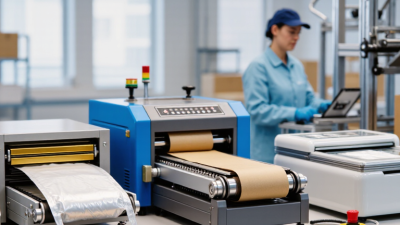
The machine can be selected for flat bags, gusseted bags, or continuous packaging lines. |
| Production suitability |
How well the equipment matches the required packaging volume. |
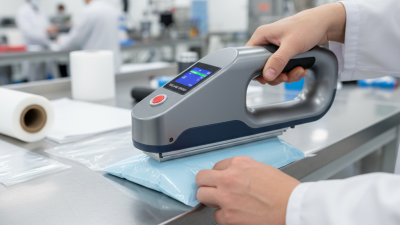
Hand-operated units are suitable for low-volume work; foot-operated, semi-automatic, and continuous systems support higher throughput. |
Choosing the correct operating level helps control labor, cycle time, and operating cost. |
| Energy use |
Electrical power required to heat the sealing system and operate the machine. |
Small bench-top units commonly use less power than continuous automatic systems; actual consumption depends on seal length, temperature, and duty cycle. |
Efficient heating and standby controls can reduce operating expenses. |
| Seal quality |
The strength, appearance, continuity, and leak resistance of the finished seal. |
A good seal is continuous, firmly bonded, free from burn-through, and appropriate for the package contents. |
Reliable seals help protect products from moisture, dust, leakage, and contamination. |
| Main advantages |
The practical benefits of using heat sealing instead of alternative closure methods. |
Fast operation, clean appearance, repeatable results, compact equipment, and no adhesive curing time. |
Supports efficient packaging and can improve product presentation. |
| Key limitations |
Conditions that may reduce performance or prevent successful sealing. |
Non-thermoplastic materials cannot be heat-sealed without a suitable sealant layer; contamination, wrinkles, and incorrect settings can weaken the seal. |
Material testing and process control are necessary before routine production. |
| Selection checklist |
The information to confirm before choosing a machine. |
Film type and thickness, package dimensions, required seal width, daily volume, desired speed, available power, operator method, and safety features. |
A specification-based choice improves productivity, safety, and long-term seal consistency. |