| 1 |
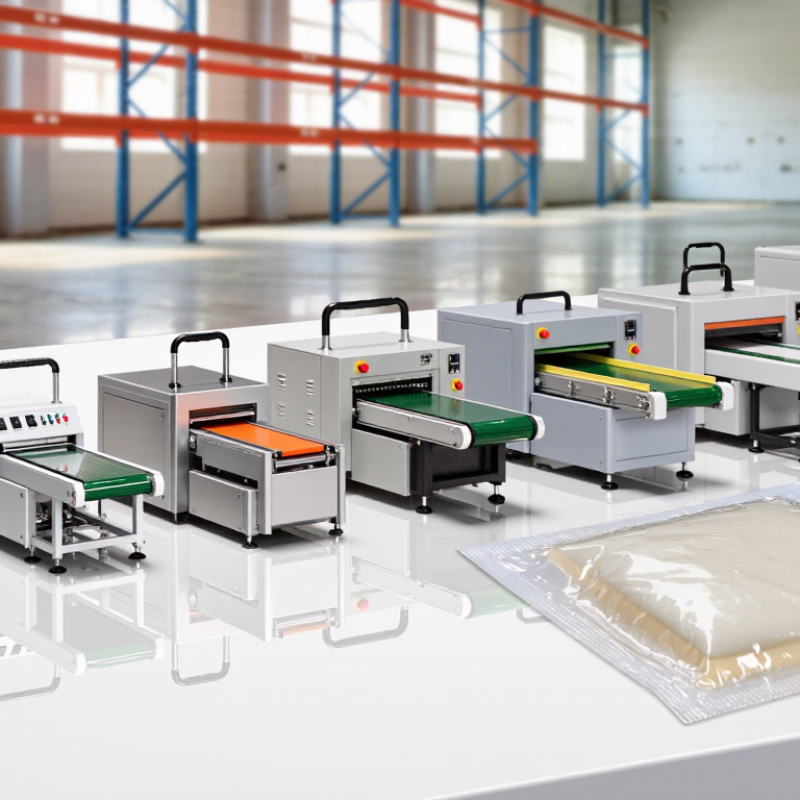
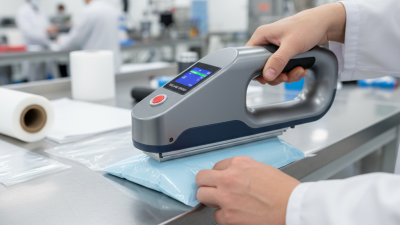
Impulse Hand Sealer |
PE, PP, laminated films, and thin foil-laminated pouches |
Short electrical heat impulse followed by pressure cooling |
Approximately 80–250°C, depending on film structure |
2–5 mm |
About 10–30 seals per minute |
Small retail pouches, samples, laboratory packaging, and low-volume fulfillment |
Low purchase cost, compact size, simple operation, and low power consumption |
Manual loading; limited productivity for continuous production; seal quality depends on operator consistency |
| 2 |
Continuous Band Sealer |
PE, PP, laminated films, kraft-paper laminates, and gusseted bags |
Heated moving belts apply constant heat and pressure |
Approximately 100–300°C |
6–15 mm |
About 15–35 m/min, depending on material and bag size |
Food, agricultural products, chemicals, powders, and general e-commerce packaging |
Higher throughput than hand sealers; consistent seals; suitable for long production runs |
Requires stable bag presentation; very thick or highly heat-sensitive structures may need specialized settings |
| 3 |
Vacuum Chamber Sealer |
PA/PE vacuum pouches, multilayer barrier films, and boil-in bags |
Air evacuation followed by heated bar sealing inside a chamber |
Approximately 100–200°C |
6–12 mm |
About 2–8 cycles per minute |
Meat, seafood, cheese, medical supplies, hardware, and products requiring reduced oxygen exposure |
Reduces air volume, protects against oxidation, and creates strong hermetic seals |
Not ideal for fragile or liquid products without suitable controls; slower than continuous bag sealing |
| 4 |
Tray Sealing Machine |
PP, CPET, PET, and aluminum food trays with compatible lidding films |
Heated die seals a lidding film around the tray flange |
Approximately 120–220°C |
Usually 3–8 mm around the tray rim |
About 3–15 trays per minute |
Prepared meals, fresh produce, bakery products, meat, seafood, and institutional catering |
Professional presentation, reliable leak resistance, and compatibility with modified-atmosphere packaging |
Requires matched trays, films, and tooling; format changes can involve additional setup time |
| 5 |
Induction Cap Sealer |
Plastic and glass containers using aluminum foil induction liners |
Non-contact electromagnetic heating bonds the liner to the container opening |
Controlled liner heating; the sealing interface commonly reaches approximately 120–200°C |
Typically 15–120 mm cap diameter |
About 20–200 containers per minute, depending on cap size and line speed |
Pharmaceuticals, cosmetics, beverages, sauces, nutraceuticals, and chemicals |
Tamper evidence, leak protection, extended product protection, and no direct contact with the product |
Needs compatible liners and accurately fitted caps; unsuitable for nonconductive closures without a suitable foil liner |
| 6 |
Automatic L-Bar Shrink Sealer |
Polyolefin, PVC, and polyethylene shrink films |
L-shaped heated blade cuts and seals film before heat shrinking |
Approximately 120–220°C at the sealing blade |
Usually 2–5 mm |
About 15–35 packs per minute |
Retail multipacks, printed cartons, stationery, household goods, and protective secondary packaging |
Creates neat tamper-resistant overwraps and handles many product shapes |
Usually requires a separate shrink tunnel; film usage and energy consumption can be higher than simple bag sealing |
| 7 |
Ultrasonic Sealing Machine |
Thermoplastic nonwoven fabrics, coated textiles, filter media, and selected multilayer films |
High-frequency mechanical vibration bonds thermoplastic layers |
Localized interface heating; no broad heated jaw is required |
Approximately 1–10 mm, depending on tooling and material |
About 10–60 m/min in continuous applications |
Medical nonwoven products, hygiene items, filter bags, technical textiles, and clean packaging applications |
Fast bonding, low thermal impact on surrounding material, and clean seams without adhesives |
Material must contain a suitable thermoplastic component; tooling and process tuning can be more specialized |