Why Choose an Industrial Bag Sealing Machine?
Why Choose an Industrial Bag Sealing Machine?
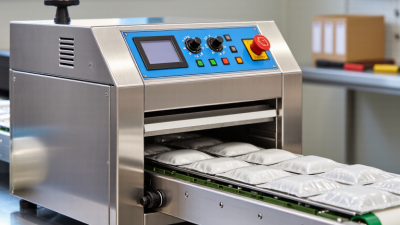
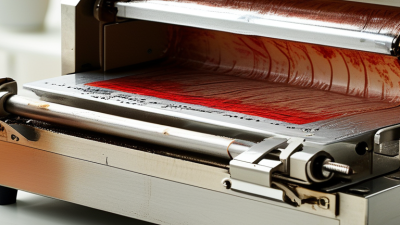
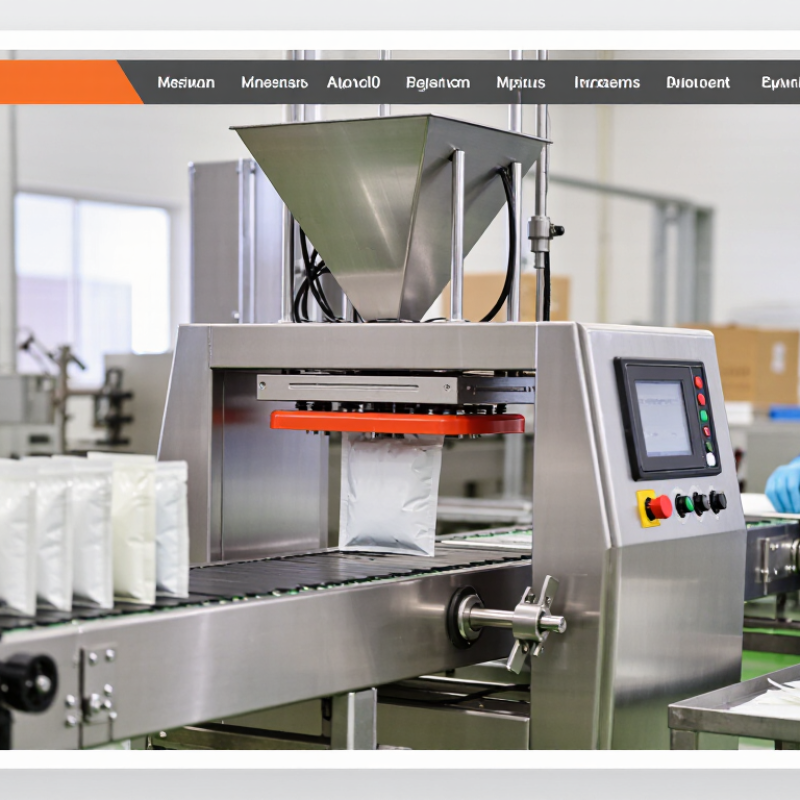
An industrial bag sealing machine can turn a loose, inconsistent packing task into a repeatable production step. Picture a filled pouch moving across a stainless-steel conveyor. Heated jaws close evenly, while the operator checks seal width, temperature, and conveyor speed. Small details matter. A weak seal can invite moisture, leakage, product loss, and customer complaints.
Industry evidence supports this focus on dependable automation. PMMI’s 2024 State of the Industry Report identifies labor availability, productivity, and automation as continuing priorities for packaging manufacturers. Smithers’ The Future of Global Packaging to 2028 also highlights flexible packaging growth, supported by convenience, lightweight materials, and changing retail formats. These reports do not make every machine suitable. Film thickness, sealing-layer chemistry, bag size, dust, and production speed still require testing.
Jorge Izquierdo, Vice President of Market Development at PMMI, has said, “Automation is becoming a necessity, not a luxury.” That observation feels accurate, though it is not the whole answer. Automation can reduce repetitive handling and improve consistency, but poor setup simply repeats mistakes faster. A practical buyer should request seal-strength trials, temperature-control details, maintenance requirements, and verified output data. Energy use deserves attention too. A machine that runs quickly but wastes film or demands frequent repairs may disappoint.
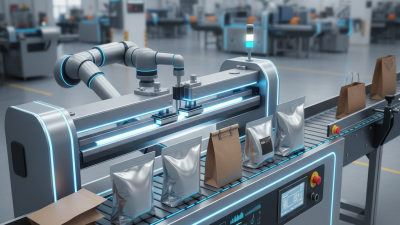
The right industrial bag sealing machine supports safer handling, cleaner presentation, and measurable production control. It should fit the product, packaging material, workforce, and future capacity—not merely the sales brochure.
What Industrial Bag Sealers Do: Heat, Pressure, Dwell Time, and Seal Integrity
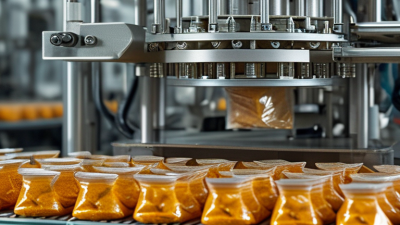
An industrial bag sealing machine is chosen for repeatable closures, not merely faster packing. Its core work depends on four linked controls: heat, pressure, dwell time, and seal integrity. Heat softens compatible thermoplastic layers. Pressure brings those layers into close contact. Dwell time holds them together long enough to bond. Too much heat can thin film or distort the bag. Too little heat leaves weak channels. Small adjustments matter.
In daily production, operators should test the actual bag material, thickness, and filling condition. A clean, flat seal is easier to verify than one containing powder, oil, or trapped air. Pressure must be firm, but excessive force may squeeze softened plastic from the joint. Dwell time changes with line speed, ambient temperature, and film structure. This is where practical judgment matters. A setting that works at noon may fail after a cold shift change.
Seal integrity requires more than visual inspection. Teams can use peel checks, burst testing, leak checks, and routine sample records when suitable. Testing should reflect the package’s handling, storage, and transport conditions. A common field lesson is simple: attractive seals can still fail when jaws are dirty or misaligned. That mistake is easy to overlook. Calibration, cleaning, and documented adjustments improve reliability, although no setting remains universal. Records should include failed settings, not just successful ones.
Which Bag Materials Meet ISO 18606, ASTM D6400, and Heat-Sealing Needs
Why Choose an Industrial Bag Sealing Machine?
Material selection now involves more than appearance and cost. ISO 18606 covers packaging suitable for organic recycling, while ASTM D6400 evaluates plastics designed for industrial composting. These standards examine biodegradation, disintegration, and possible environmental effects. A certified compostable film may use PLA or PBAT blends, but performance depends on formulation, thickness, and additives.
Heat sealing remains critical. Paper laminates, compostable films, and multilayer structures require different sealing temperatures and dwell times. An industrial bag sealing machine helps control pressure, temperature, and line speed with greater consistency. This matters when a seal must survive transport, humidity, and product weight. Weak seals often appear later, not during production.
According to European Bioplastics’ 2023 market data, global bioplastics production capacity could grow from about 2.18 million tonnes in 2023 to 7.43 million tonnes by 2028. The market is expanding quickly. Testing must keep pace. ASTM D6400 compliance does not guarantee acceptance at every composting facility, and ISO 18606 alignment needs documented evidence. Labels can mislead. In practice, converters should request certificates, test reports, and sealing trials for the exact bag structure. A machine setting that works on one film may fail on another. That is the uncomfortable part.
How 3–12 mm Seal Widths Affect Leak Resistance and Package Protection
Why Choose an Industrial Bag Sealing Machine?
How 3–12 mm Seal Widths Affect Leak Resistance and Package Protection
An industrial bag sealing machine creates controlled heat, pressure, and cooling time. These settings shape the final seal. A 3 mm seal uses less material and suits lightweight bags with low internal pressure. However, it leaves less tolerance for wrinkles, dust, or uneven film. A 6 mm seal offers a practical balance for many dry goods and flexible packaging applications.
Wider seals can improve leak resistance, but wider is not automatically safer. A 9–12 mm seal provides more bonding area and better protection when bags face vibration, stacking, or rough handling. It may also increase heat exposure and slow production. Excessive heat can distort thin film or weaken sensitive layers. I once assumed that a wider seal solved every leakage problem. Testing showed that poor alignment mattered more.
Tips: Match the seal width to the bag material, filling weight, and transport conditions. Inspect the seal under bright light. Look for channels, wrinkles, and incomplete bonding. Test samples with pressure, water, or controlled drop checks. Record temperature, dwell time, and pressure for each material. Small adjustments often outperform dramatic changes. A 3 mm seal may pass one test, while a 12 mm seal fails after cooling. That result deserves investigation, not guesswork.
Wider seals provide a larger bonded area along the same 100 mm package edge. This can improve tolerance to minor wrinkles, contamination, and handling stress, but actual leak resistance also depends on film type, sealing temperature, pressure, dwell time, and seal consistency. The sealing-area values are calculated geometrically from seal width and should not be interpreted as laboratory burst-pressure results.
How ASTM D3078 and ASTM F88 Verify Seal Strength and Package Integrity
An industrial bag sealing machine earns its place through repeatable heat, pressure, and dwell time. This consistency matters when operators seal hundreds of flexible packages during a shift. A clean seal looks simple. Its reliability must be measured, not guessed. Measure the seal.
ASTM F88 measures the force required to separate a sealed strip. Trained technicians pull specimens at a controlled speed using calibrated equipment. Results can show average strength, variation, and failure mode. A peel failure differs from film tear. That difference can expose weak settings or unsuitable materials. F88 does not prove that a complete package is leak-free. Easy to miss.
ASTM D3078 checks gross leaks through bubble emission under controlled vacuum conditions. The package is immersed in water, then observed for escaping bubbles. A steady bubble stream may indicate a channel, wrinkle, or incomplete seal. Results depend on sample conditioning, vacuum level, and observation time. In production reviews, I would test samples at startup, mid-run, and after changeovers. A strong seal can still hide a puncture elsewhere. A leak-free sample can still have marginal seal strength. That is where judgment needs improvement: one passing sample proves very little. Record failure modes, inspect seal width, and adjust machine settings cautiously. Keep the records.